Rooflights offer a practical solution for enhancing energy efficiency in homes. By allowing natural light to flood indoor spaces, they reduce reliance on artificial lighting.
Additionally, their design often includes thermal insulation and low-emissivity glazing, which help maintain comfortable temperatures.
This combination can lead to significant savings on utility bills. However, the effectiveness of rooflights depends on various factors. Understanding these can reveal even greater benefits for homeowners seeking sustainability.
Rooflights serve as an essential design element in modern architecture, enhancing both aesthetics and functionality. They are strategically placed to maximize the visual appeal of a space, allowing architects to create open, airy environments. Rooflights come in various designs, including fixed, operable, and tubular options, catering to diverse architectural styles and needs.
The benefits of rooflights extend beyond mere appearance. They provide opportunities for improved ventilation, which can help regulate indoor temperatures, thereby reducing reliance on artificial heating and cooling systems. Additionally, rooflights can contribute to the overall energy efficiency of a building by allowing for passive solar heating during the colder months.
Moreover, the incorporation of energy-efficient glazing technologies in rooflights can further enhance insulation, minimizing heat loss. Ultimately, rooflights represent a thoughtful integration of design and environmental consideration, leading to more sustainable and visually appealing spaces.
While many architectural elements aim to enhance illumination, rooflights uniquely transform spaces by harnessing natural light from above. These installations allow sunlight to flood in, brightening interiors and creating an inviting atmosphere. By strategically positioning rooflights, architects and builders can optimize light distribution throughout a space, reducing reliance on artificial lighting during daylight hours.
Moreover, rooflights can alter the perceived size of a room, making it feel more open and expansive. The introduction of natural light can enhance colors and textures, contributing to a more vibrant living or working environment.
In addition, rooflights can help regulate the mood of a space, positively impacting the well-being of its occupants by decreasing feelings of confinement. Overall, rooflights serve as a powerful tool for improving natural lighting, fostering a harmonious balance between aesthetics and functionality in various architectural designs.
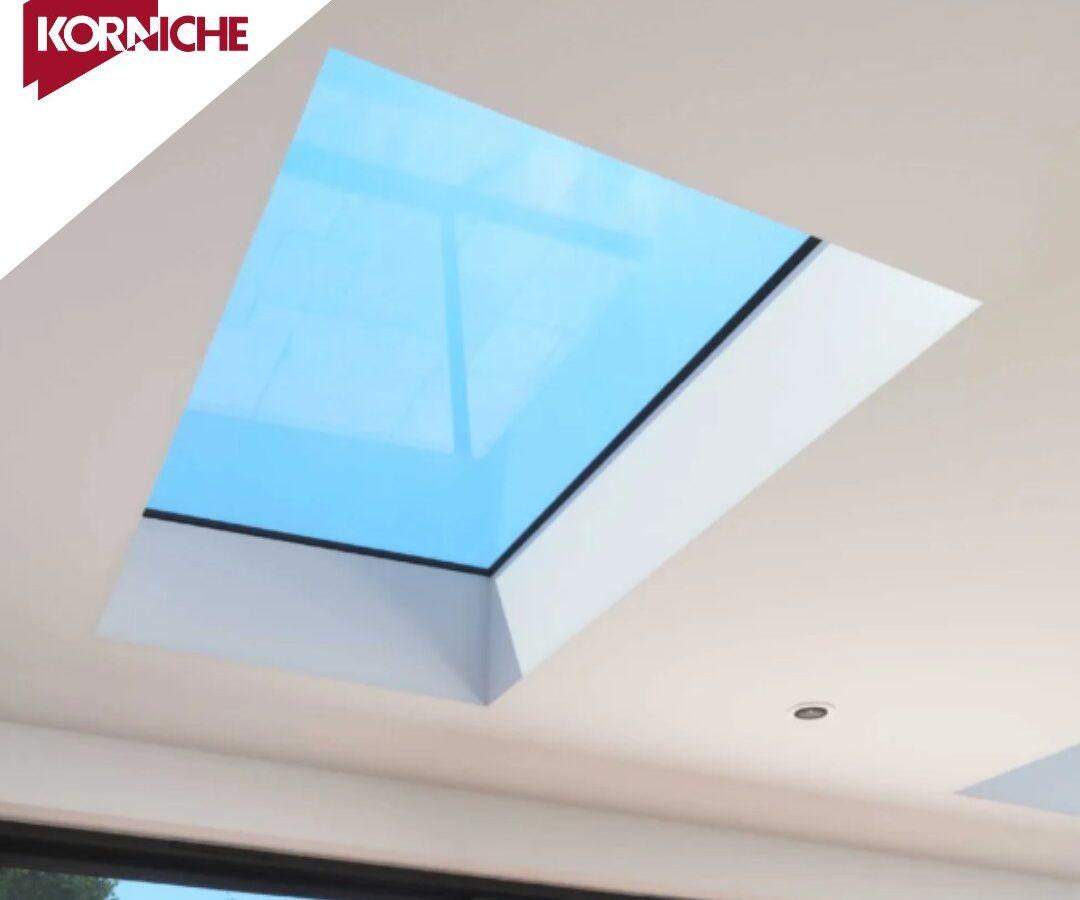
When integrated thoughtfully into a building's design, rooflights can greatly enhance energy efficiency by reducing the need for artificial lighting and minimizing heating costs. By allowing natural light to flood interior spaces, rooflights decrease reliance on electrical lighting during daylight hours. This not only lowers energy consumption but also contributes to a more pleasant indoor environment.
Additionally, rooflights can aid in regulating indoor temperatures. Well-designed rooflight systems can include features such as thermal insulation and low-emissivity glazing, which help maintain comfortable temperatures in both winter and summer. This minimizes the need for heating and cooling, resulting in further energy savings.
Moreover, the strategic placement of rooflights can facilitate natural ventilation, promoting air circulation that can reduce the reliance on HVAC systems. Ultimately, incorporating rooflights into architectural design can lead to significant energy savings, enhancing overall sustainability and reducing utility bills for homeowners and businesses alike.
Selecting the right rooflight for a specific space requires careful consideration of various factors, including the room's purpose, size, and orientation. The intended use of the room greatly influences the choice; for example, a kitchen may benefit from larger rooflights to enhance natural light and ventilation, while a bathroom may require smaller, strategically placed options for privacy.
The size of the room also plays an essential role; larger spaces can accommodate bigger rooflights, which can create a more open and airy atmosphere. Conversely, smaller rooms may need compact designs to avoid overwhelming the space.
Orientation is another vital factor; south-facing rooflights will maximize sunlight but may also increase heat, necessitating appropriate glazing to guarantee energy efficiency. Ultimately, selecting the ideal rooflight involves balancing these elements to achieve both aesthetic appeal and practical functionality, contributing to lower utility bills and improved energy efficiency.
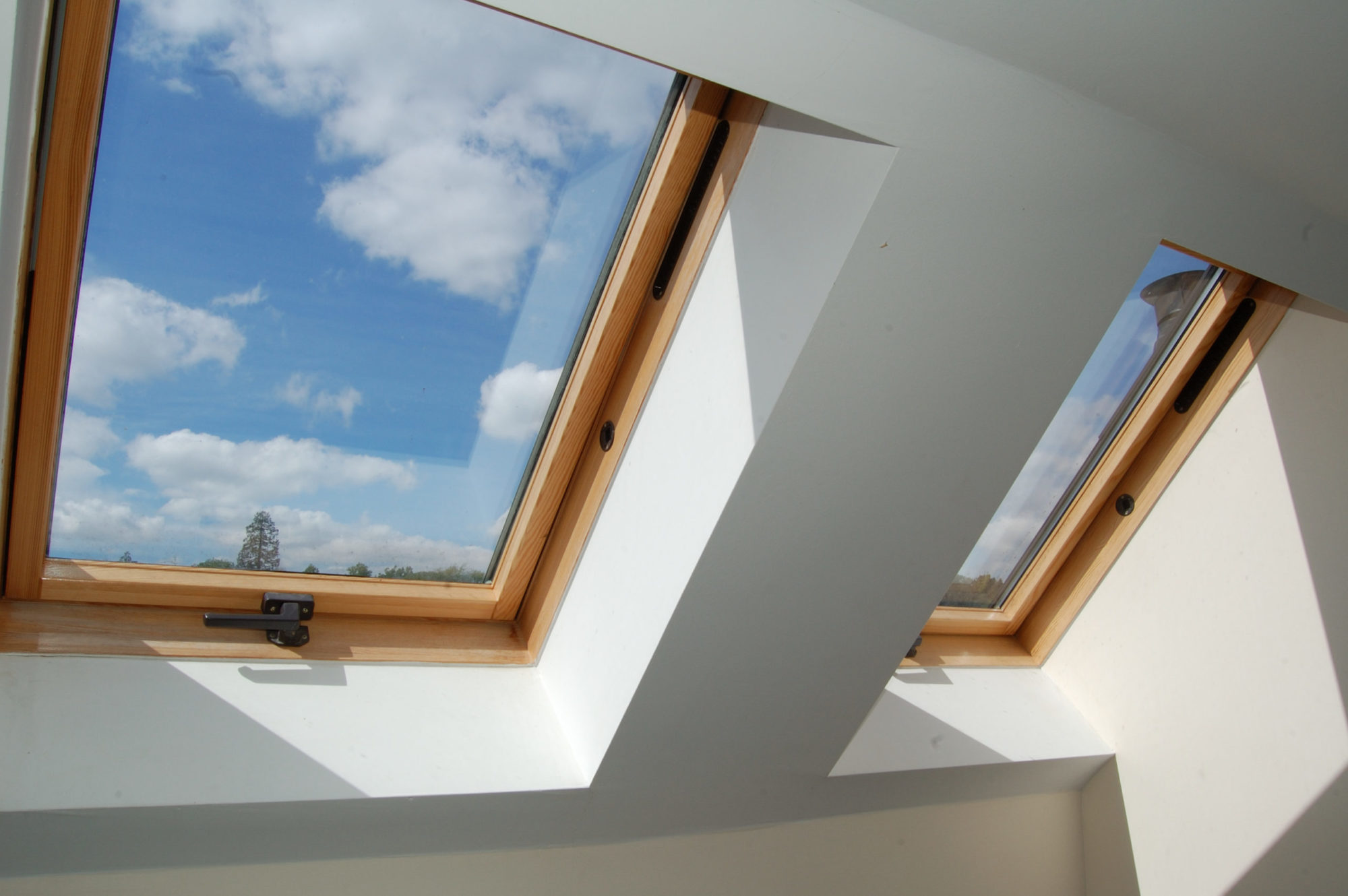
To maximize the benefits of rooflights, homeowners should consider strategic placement and the use of appropriate accessories. Positioning rooflights in areas that receive ample natural light, such as south-facing roofs, can enhance illumination and reduce reliance on artificial lighting. Additionally, selecting rooflights with high thermal performance ratings minimizes heat loss in colder months and reduces cooling costs during summer.
Incorporating accessories like blinds or shades can help control glare and enhance privacy while still allowing for natural light flow. Homeowners should also guarantee proper installation to prevent leaks and maximize energy efficiency. Regular maintenance, including cleaning the glass and checking seals, will secure ideal performance over time.
Finally, using rooflights in combination with other energy-efficient features, such as insulation and ventilation systems, can create a cohesive strategy that leads to considerable utility bill savings. With thoughtful planning, rooflights can greatly contribute to a home's energy efficiency.
As contemporary architecture evolves, the integration of sleek design elements in rooflight installations reflects a growing preference for minimalist aesthetics. These rooflights often feature clean lines, unobtrusive framing, and an emphasis on transparency, allowing natural light to flood interiors without distraction.
Materials such as high-performance glass and slim aluminum frames are commonplace, enhancing the modern appeal while maintaining structural integrity. The focus is on simplicity, where form follows function, and unnecessary embellishments are avoided.
This trend not only elevates the visual impact of spaces but also promotes an airy, open atmosphere. Ultimately, sleek design elements in rooflights embody a commitment to both style and practicality, aligning with the demands of contemporary living and working environments.
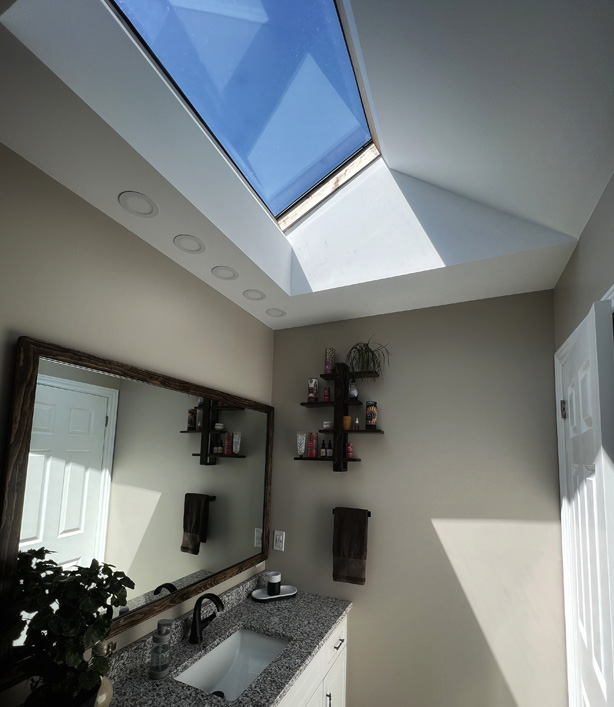
Polycarbonate and tempered glass are often recommended for rooflights due to their durability and resistance to weathering. Additionally, using high-quality seals and frames can greatly enhance the longevity and performance of these installations.
Rooflights can enhance home resale value by increasing natural light and improving aesthetics, making spaces feel larger and more inviting. Buyers often appreciate energy efficiency and modern design, contributing positively to overall market appeal.
Rooflights notably influence indoor temperature regulation by allowing natural light to penetrate spaces, reducing reliance on artificial lighting and heating. This leads to improved thermal comfort and can enhance energy efficiency in residential and commercial buildings.